If hip pain is stopping you enjoying life, walking the dog, playing golf or simply getting a good night’s sleep, hip replacement surgery could help you regain your independence.
Mr Tom Symes is a specialist hip replacement surgeon providing hip replacement surgery for patients across Hull, East Yorkshire & North Lincolnshire
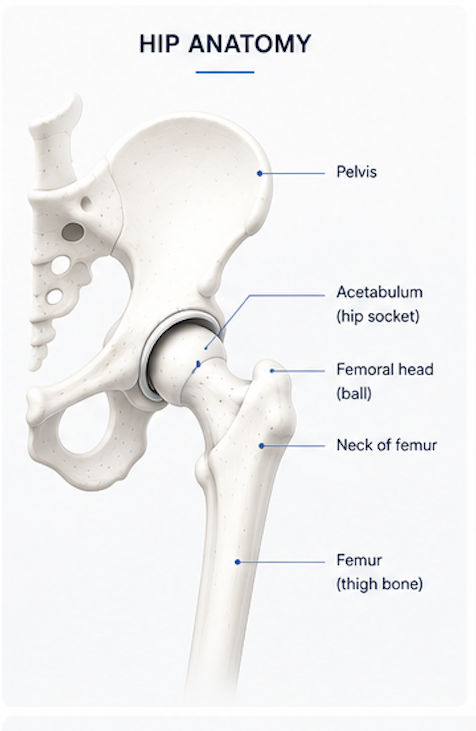
Hip Replacement Recovery Timeline
Every patient recovers differently, but most people can expect:
Day of Surgery
- Walk within a few hours
- Begin Physiotherapy
Same day or next day
- Return home (many patients are suitable for day-case surgery)
2-6 weeks post operation
- Walk with increasing confidence
- Return to driving (if safe)
- Reduce walking aids
3 Months post operation
- Resume most everday activities
Why choose Tom Symes?
- Specialist hip replacement surgeon
- High-volume joint replacement practice
- Modern muscle-preserving techniques
- Day-case hip replacement specialist
- Personalised treatment plans
- Evidence-based care from consultation through to recovery
Book a consultation to discuss whether hip replacement surgery is the right treatment for you
When Should I Consider Hip Replacment Surgery
- Hip Arthritis
- Osteoarthritis
- Avascular necrosis
- Previous Hip Injury
- Groin Pain
- Pain at Night
- Difficulty Walking
- Pain Climbing Stairs
- Pain Despite Medication or Injections
What Happens During the Surgery
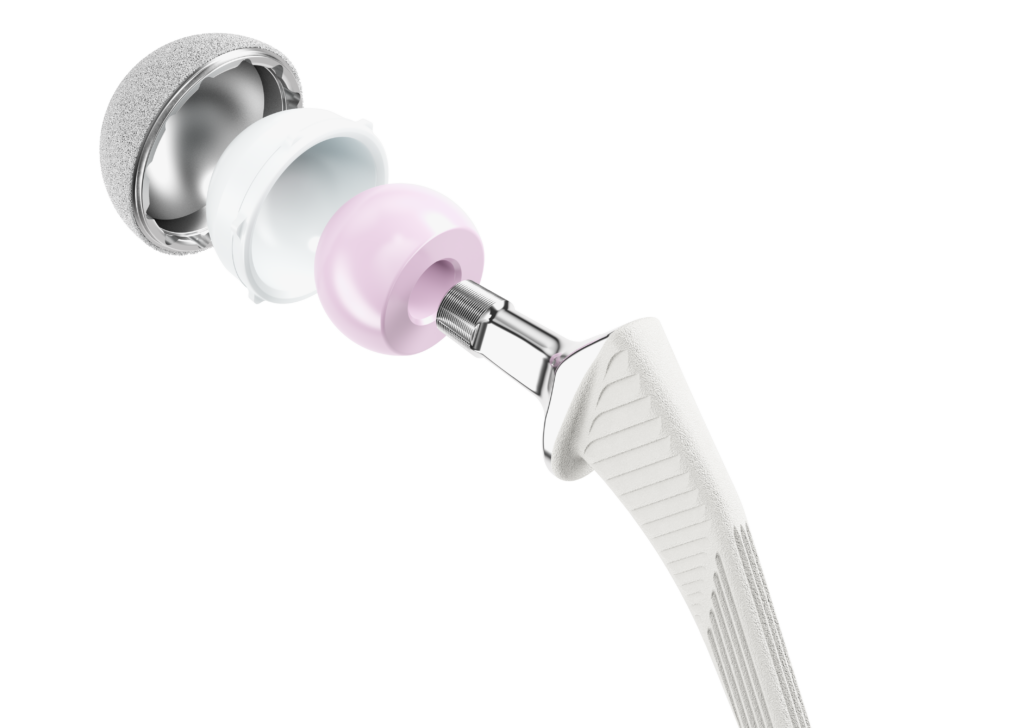
During sugery the worn ball and socket are replaced with artificial implants that recreate a smooth, pain-free joint
Every operation is individually planned to restore:
- Leg Lenth
- Hip Stability
- Natural Movement
- Long-term Durability
Frequently Asked Questions
How Painful is a hip replacement?
Most patients are pleasently surprised that the pain from surgery is less than the arthritic pain they were living with. Modern pain relief and ehanced recovery programmes make recovery far more comfortable than many people expect. After 2 weeks pain in usually minimal.
How long does a hip replacement last?
Modern hip replacements commonly last 20 years or more due to improved materials and techniques.
When can I drive?
Most patients return to driving after approximately 4-6 weeks, once they can safely control the vehicle and have met insurance requirements.
When can I fly?
Short-haul flights are often possible after around six weeks, with long-haul usually delayed for approximately twelve weeks. Individual advice will be given depending on your recovery.
Can I return to sport?
Yes. Most patients return to activities such as golf, cycling, swimming, walking and gym exercise. Higher-impact sports are discussed individually.